The Art of Color: Exploring Malabrigo’s Signature Kettle-Dyeing Process
There’s something magical about a skein of Malabrigo yarn. The colors shift and deepen in ways that feel almost painted by hand—because, in many ways, they are. Behind every rich tonal, vibrant multi, and watercolor-like variegated skein lies a carefully guarded, labor-intensive process that has defined the brand since its earliest days.
From Kitchen Pot to Global Favorite
Malabrigo’s story began in 2005 in Uruguay, when two brothers-in-law started dyeing locally spun yarn in a simple kitchen pot. What started as a small experiment quickly captured the attention of knitters and crocheters. Today the company remains family-owned, with production primarily based in Peru and a dedicated color-development laboratory still operating in Montevideo, Uruguay.
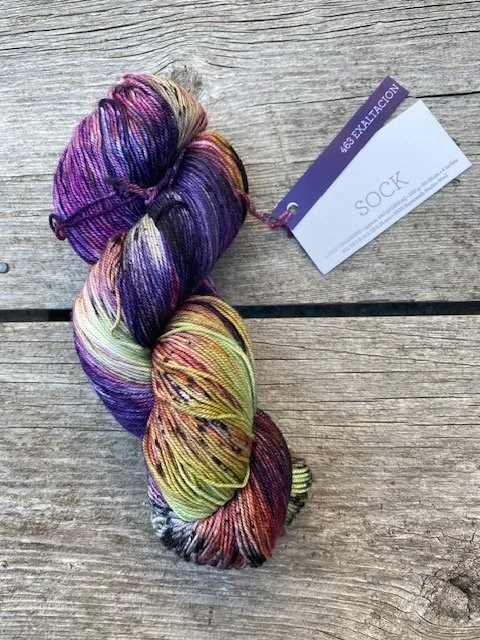
The heart of their identity has never changed: every skein is kettle-dyed by hand in small batches by skilled artisan dyers. This method produces the depth, subtle variation, and painterly quality that commercial dyeing simply cannot match.How the Dyeing Process WorksThe journey from undyed base to finished skein is both methodical and artistic.
Preparation
Undyed yarn bases—primarily soft, mulesing-free Uruguayan Merino, along with select blends of Peruvian alpaca, Italian silk, and other fibers—arrive at the mill. Skeins are sometimes knotted or specially prepared to create specific color effects.
The Dye Bath
Skeins are immersed in large kettles or dye pots using acid dyes, with vinegar helping the color bond to the wool. Unlike a single dip for a solid shade, most Malabrigo colorways follow multi-step “recipes.” A single colorway might involve two, three, or more applications, each with its own temperature and timing. Techniques vary: dye may be poured over the yarn for gentle gradients, applied directly with bottles for more controlled placement, or manipulated to take advantage of the dye’s transparency for watercolor-like results. Position in the pot matters—skeins closer to the surface or heat source often absorb color differently, contributing to the signature variation.
Drying and Sorting
After dyeing, the yarn is centrifuged and hung in heated drying rooms. Once dry, it moves to a sorting room filled with natural light. There, workers carefully group like-colored skeins by hand, label them, and package them into bags of five or ten. Even within the same dye lot, slight differences remain—an inevitable and celebrated result of true hand-dyeing.
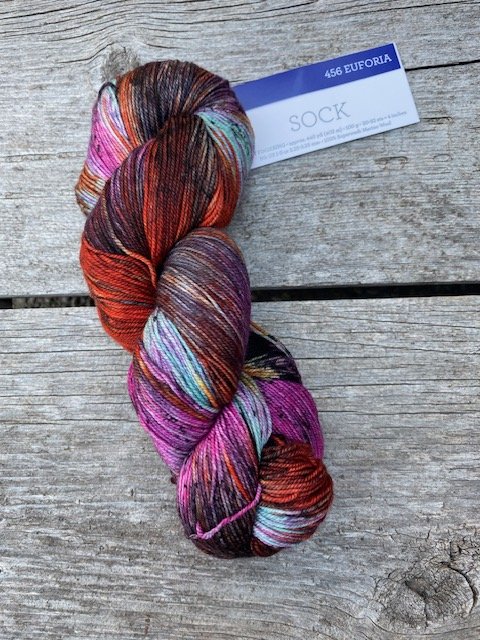
New colors begin life in the laboratory. Designers create test skeins using precise recipes, then refine the process so it scales successfully to larger production batches of 100–200 kg or more. Quality control ensures the finished yarn stays as close as possible to the official color cards.
Embracing the Variation
Because the process is handmade, no two skeins are identical—even those from the same dye lot. Differences can be subtle or quite noticeable, especially in highly variegated colorways. Malabrigo assigns dye-lot numbers mainly to help package matching skeins together. This is why experienced makers always buy enough yarn for an entire project at once and alternate skeins while working.
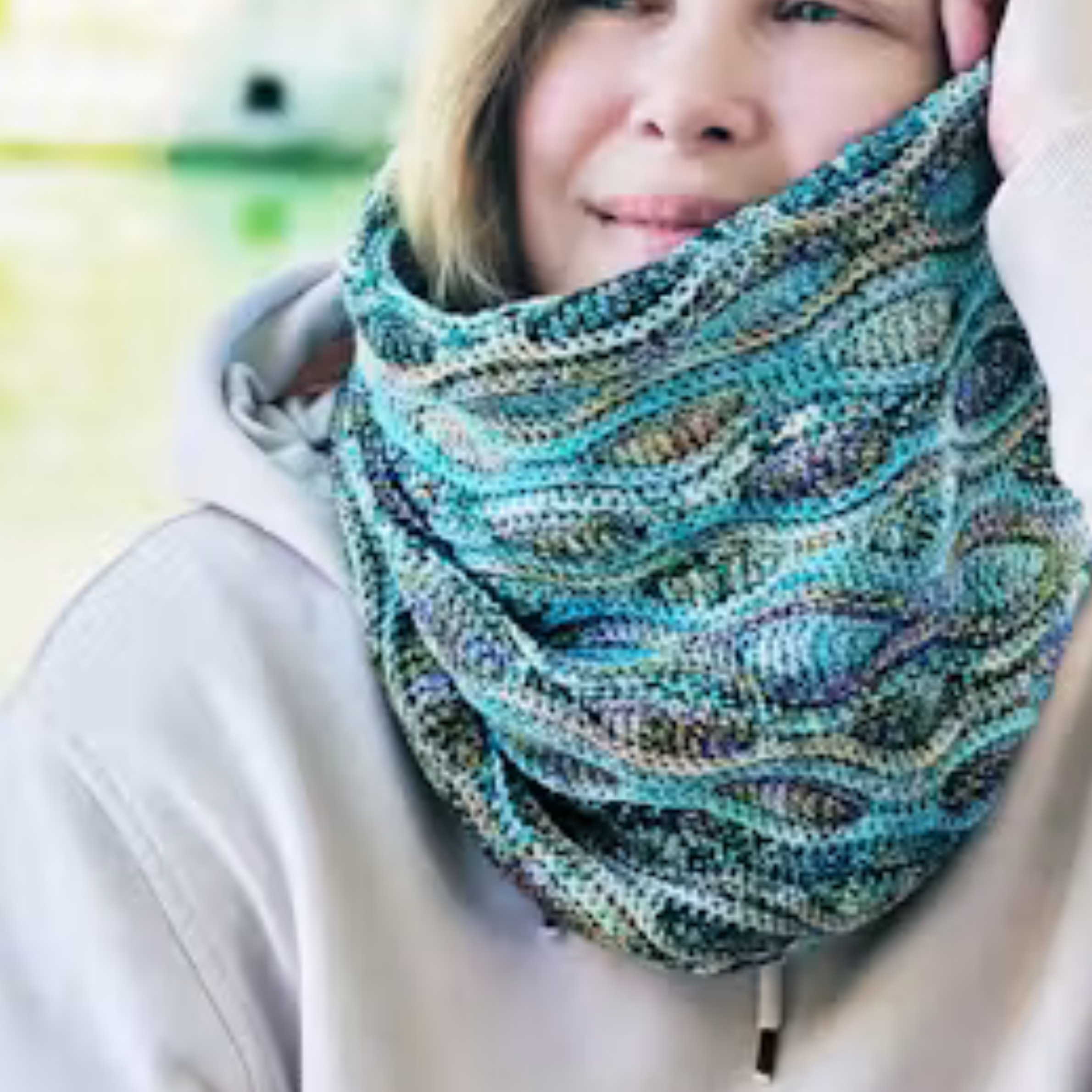
Aquarelle Cowl
A Commitment to Care Malabrigo prioritizes environmental responsibility. The mill uses as few chemicals as possible, meets Oeko-Tex standards, and reduces water consumption by carefully sequencing the colors dyed each day. Solar thermal systems help heat the water tanks, and dye water is treated and purified before reuse or release.
Why It Matters
The kettle-dyeing process is more than a production method—it’s the reason Malabrigo yarn feels alive in your hands and on your needles. Those gentle shifts of color, the unexpected depth, and the quiet individuality of each skein are direct results of skilled hands, time-honored techniques, and a refusal to sacrifice artistry for uniformity.Next time you cast on with a skein of Rios, Sock, or any other Malabrigo base, take a moment to appreciate the journey it took. From a kitchen pot in Uruguay to the skilled dyers working today, every color tells a story of patience, craft, and a deep love of beautiful fiber.